
Introducing Bridges in Mathematics
Early Childhood
A new play-based mathematics program for Pre-K and TK learners.
Designed for discovery and understanding.
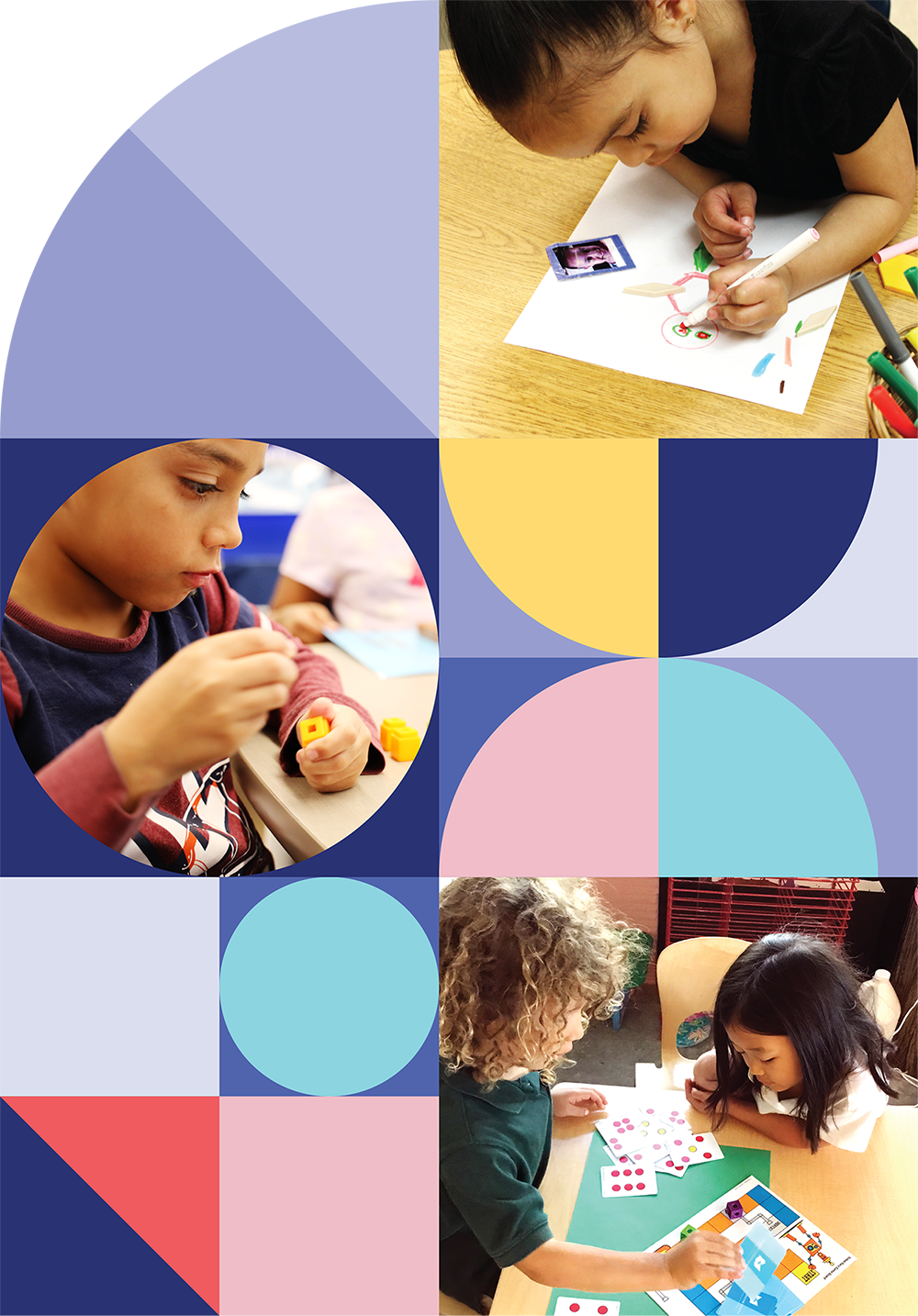
Bridges Early Childhood helps young children explore mathematical ideas through play, stories, collaboration, and discussion. Each investigation invites curiosity and builds understanding through joyful, developmentally appropriate learning from the very start.
Why it works

Built for early learners
Theme-based lessons use stories and playful activities to help young children build confidence and develop early mathematical thinking in ways that feel joyful and are developmentally appropriate.

Works with any program
Adaptable lesson structures support learners of various ages and work seamlessly alongside any K–5 program or as a standalone offering.

Grounded in research
Designed to follow developmental progressions and support early childhood best practices to help children make sense of mathematics in alignment with California’s Mathematics Learning Foundations.
A strong foundation
Built on the principles of the Bridges curriculum, which meets expectations for standards alignment and quality by EdReports, Early Childhood reflects a proven approach to mathematics instruction.
A strong start to lifelong learning.
Bridges Early Childhood builds essential understanding across key mathematical domains, including numbers, operations, measurement, and geometry. Children have frequent opportunities to count, sort, pattern, compare, compose and decompose numbers and shapes through engaging, hands-on experiences.
Routines that promote reasoning and communication
Support for multilingual learners and language development
Clear learning goals and content connections
Differentiated opportunities for learning
A hands-on approach to exploring mathematical ideas
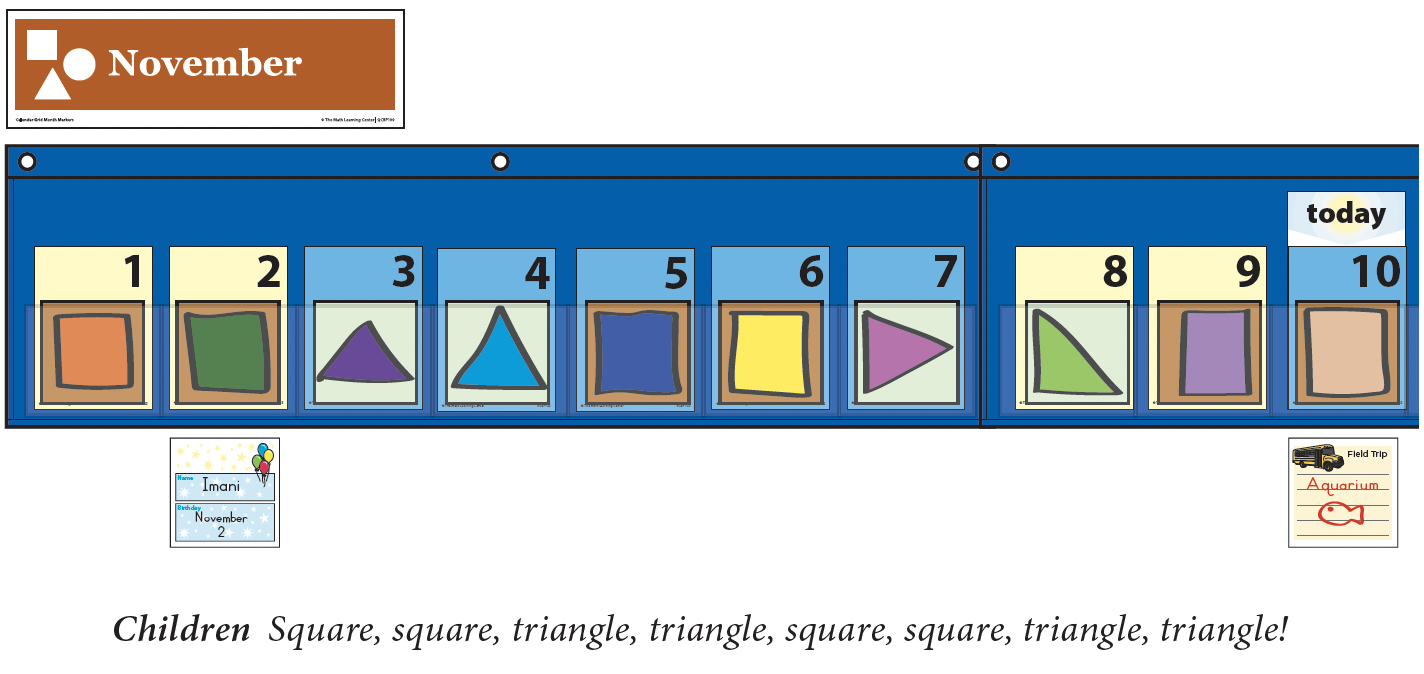
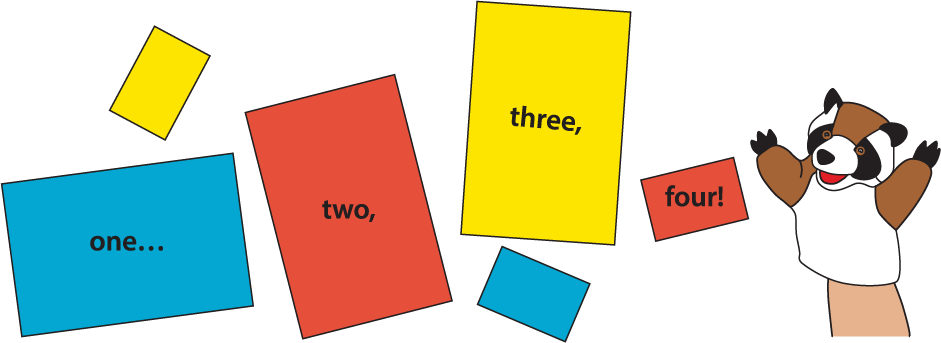
Suggestions for Mathematizing the early childhood classroom
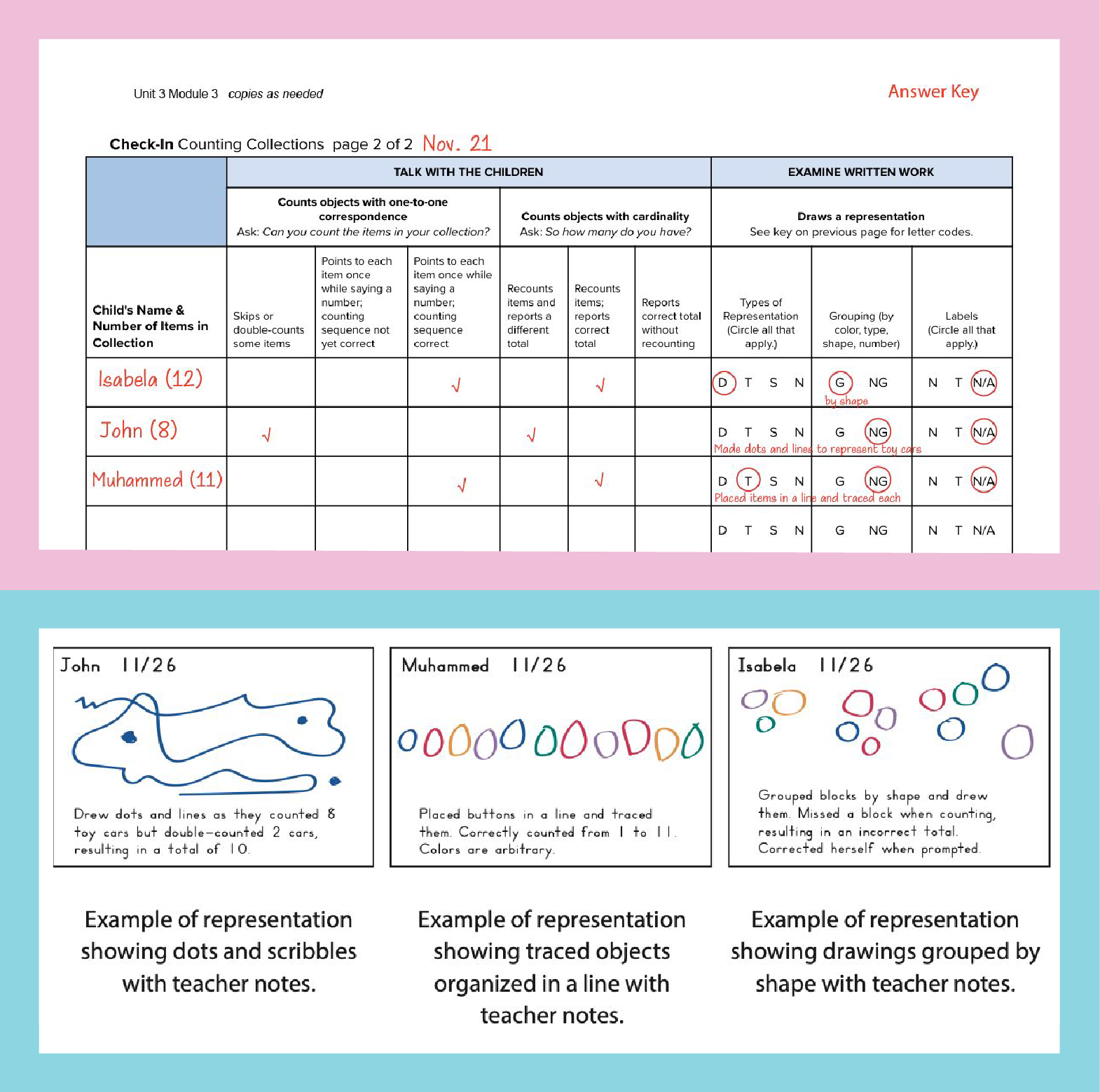
Developmentally Appropriate Assessment
Effective assessment, along with thoughtful instruction and differentiation, begins with understanding how children’s mathematical thinking develops.
Assessment with young children should be frequent, formative, and ongoing.
Assessing young children calls for thoughtful, flexible approaches.
Assessment of young children should largely revolve around observation and interaction.
Professional Learning
Support for educators, every step of the way
Bridges Early Childhood comes with a suite of professional learning resources designed to help educators teach with confidence and bring joyful, play-based math to life in their classrooms.
Getting Started workshop: An introduction to implementing Bridges Early Childhood, available in person or remotely - Online
Foundations Course: A self-guided course you can complete on your own schedule
MLC Educator Site: A digital hub with everything you need to bring playful, purposeful math to life.
Grade-level & unit videos: Overview and preview videos by unit (Coming summer 2026)
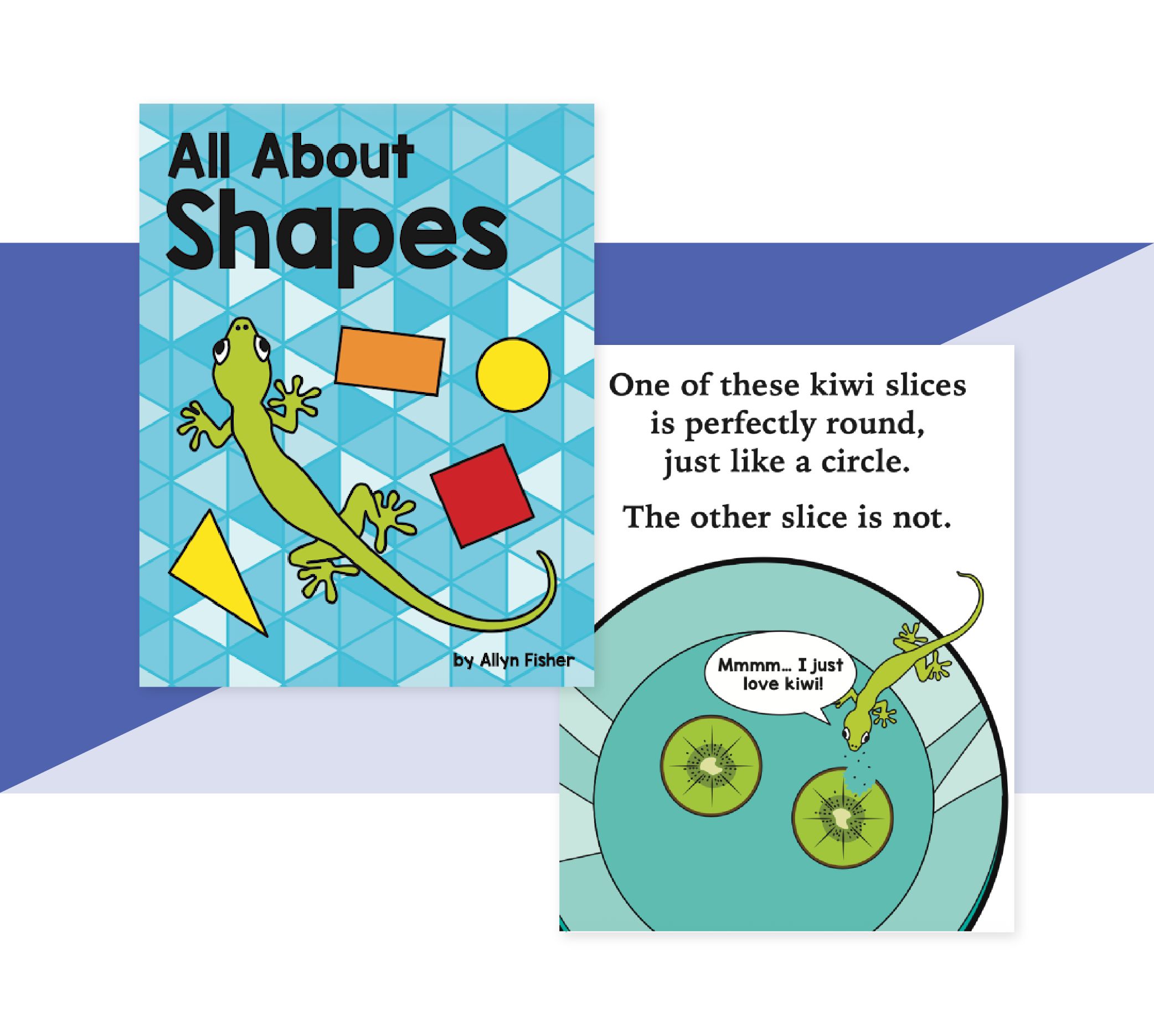
A sneak peek at Bridges Early Childhood
Every session is organized around purposeful activities and routines that connect play and mathematical thinking. From whole-group activities to small-group exploration, Bridges® Early Childhood is designed to fit naturally within the rhythm of an early learning day.